

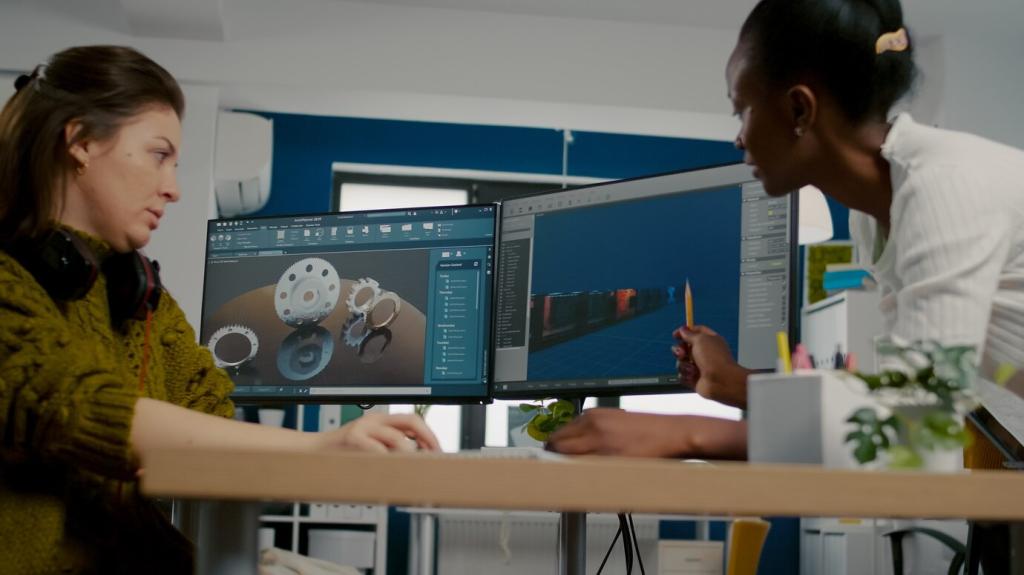

Lighting Ideas for Productive Workspaces

Chosen theme: Lighting Ideas for Productive Workspaces. Welcome to a brighter desk, clearer thinking, and calmer eyes. Here you’ll find practical ideas, science-backed tips, and heartfelt stories that turn light into your quiet productivity partner. Read on, try a tweak today, and subscribe for weekly, bite-sized lighting wins.

The Science Behind Light and Focus

Cooler light in the morning, around 5000–6500K, helps cue alertness, while warmer light near evening encourages wind-down. Align your desk lamp to your daily rhythm, not just your clock. Try a cool scene before deep work, then soften it when you shift to planning or reflection.

Layering Light Like a Pro

Ambient light as a calm foundation

Start with a gentle, even base light that eliminates stark shadows in your room. Ceiling fixtures or wall washers should feel invisible, simply making the space comfortable. If you can, dim ambient light slightly so your task lamp becomes the star without overwhelming your eyes.

Task lighting that works with you

Use an adjustable arm lamp angled opposite your dominant hand to avoid casting shadows across your notes or keyboard. Keep the head just out of your sightline. A diffuse shade softens edges, while a focused beam highlights small text. Adjust throughout the day as your tasks change.

Accent light to signal focus

A small shelf light or LED strip can cue your brain that it is time to concentrate. Keep it subtle, maybe a warm backlight behind books or plants. That gentle glow reduces visual monotony and helps transition you into deep work without feeling clinical.

Daylight Done Right

Place your desk perpendicular to windows so light arrives from the side, not behind your monitor or directly in front. This reduces reflections and keeps faces well lit on calls. Try small shifts over a week and note how each position affects glare and afternoon energy.

Daylight Done Right

Sheer curtains or adjustable blinds spread daylight evenly, turning sharp beams into soft layers that flatter your eyes. If the sun hits your screen, slide the fabric just enough to break the hotspot rather than closing everything. Keep plants nearby to create gentle, natural diffusion.

Smarter Routines With Smart Lighting

Schedules that follow your day

Program morning scenes with cooler light for email triage and planning, then shift warmer in late afternoon to ease decision fatigue. Let automation handle the clock. If a deadline looms, trigger a temporary cool boost, then revert to your regular, gentler evening tone afterward.

Voice and quick-access control

Create named scenes like Focus, Call, and Wind Down, then trigger them by voice or a single tap. Simple labels reduce friction and help you honor intentions. Share your favorite scene names in the comments, and subscribe for our monthly roundup of reader-tested routines.

Adaptive dimming and presence

Motion sensors can gently brighten your space when you return, easing you back into work without a harsh jolt. Use gradual fade-ins and fade-outs to minimize strain. If you step away frequently, set shorter timeouts to keep your room responsive but still energy efficient.

Budget-Friendly Brightness Upgrades

Look for bulbs marked 4000–5000K for clarity during focused work, with CRI 90+ if color matters to you. A 60-watt equivalent usually suffices for general use. Keep receipts, test in your space for a week, and return what feels harsh. Your eyes deserve thoughtful choices.

Budget-Friendly Brightness Upgrades

Prioritize an articulating arm, a wide shade, and easy dimming. A clamp base saves space on small desks. Even a mid-priced lamp becomes priceless when it removes shadows across notebooks and keys. Tell us which model you love, and consider subscribing for our upcoming comparison guide.

Lighting for Video Calls Without the Hassle

Place a soft key light slightly above eye level, off to one side. Add a gentler fill opposite the key to smooth shadows, and a small backlight to separate you from the background. This classic trio flatters faces and doubles as comfortable, all-day work lighting.

Lighting for Video Calls Without the Hassle

Angle screens downward slightly and tilt lamps away from glass lenses or glossy displays. Use warmer light for late calls to reduce alertness spikes that delay sleep. If your face looks washed out, lower brightness and move lights closer, letting proximity create softness, not intensity.

Real Stories, Real Gains

Maya swapped a single overhead bulb for a dimmable desk lamp and a warm backlight behind her books. Headaches faded within a week, and she found herself reading longer without strain. Her tip: match lamp height to your eye line, not just the desk surface.
Wipe dust from bulbs and shades, rotate your desk fifteen degrees to reduce glare, and lower ambient brightness while raising task light slightly. Add a small plant to diffuse hard edges. Comment with your favorite quick fix, and we will feature the most creative next month.
Post a photo of your lighting setup and describe one habit that genuinely improved focus. Ask a question, and we will respond with a personalized tweak. Subscribe now to receive weekly, practical lighting prompts designed to fit real homes, real offices, and real deadlines.
Teachcove
Privacy Overview

This website uses cookies so that we can provide you with the best user experience possible. Cookie information is stored in your browser and performs functions such as recognising you when you return to our website and helping our team to understand which sections of the website you find most interesting and useful.