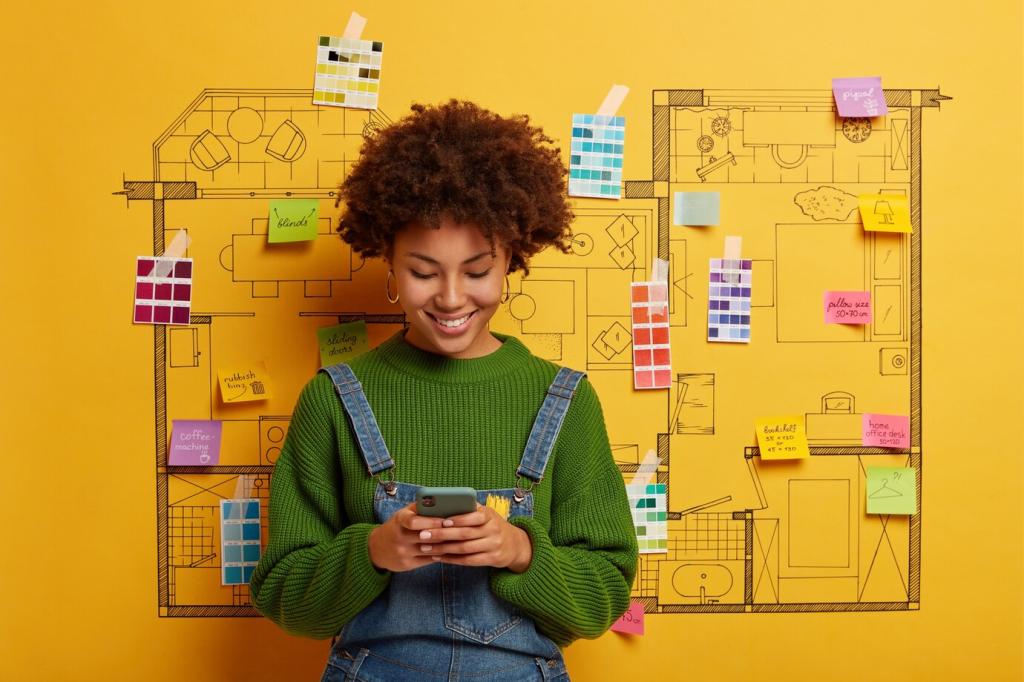
Color Psychology in Office Design: Work Better by Design
Today’s chosen theme: Color Psychology in Office Design. Discover how intentional palettes shape focus, collaboration, and well-being. Expect practical frameworks, research-backed insights, and real stories you can adapt. Subscribe and tell us which colors your team trusts when the deadline clock gets loud.
The Brain on Color
Color cues influence arousal, attention, and perceived temperature, nudging behavior before words even appear. Cooler tones can quiet mental noise, while warm accents energize decisions. Think less about decoration and more about signals that prime the brain for the task ahead.
Microclimates by Palette
A single office holds many zones with different goals. Palette shifts create microclimates: cooler, deeper hues for focus; warmer, brighter notes for social energy. Subtle transitions guide movement, reduce friction, and help people intuit where heads-down work or quick conversation belongs.
A Monday Story
We softened a reception with gentle terracotta and muted sage. Candidates stopped pacing, and conversations felt slower, more considered. The hiring team reported fewer rushed interviews and clearer questions. Share your own lobby color wins or fails, and help others learn faster.
Focus Zones
Cooler blues, blue-greens, and soft charcoals can reduce visual chatter and aid sustained concentration. Keep chroma low and contrasts deliberate. Test how text and screens read against walls. Encourage team feedback after a week of use to adjust saturation with confidence.
Warm whites, corals, optimistic yellows, and lively reds can catalyze brainstorming. Use them as accents, not full saturation, to keep energy without fatigue. Anchor with grounded neutrals underfoot. Invite teams to vote on two accent options and track meeting outcomes.
Your primary brand color might be too intense for large surfaces. Calibrate with tints, tones, and near-neutrals derived from the palette. Reserve saturated color for wayfinding or moments of emphasis. Build a materials library and invite cross-functional teams to play together.
Brand, Culture, and Color Alignment
Bold reds say decisive and fast; tranquil blues convey thoughtful and precise; earthy palettes whisper grounded and sustainable. Choose messages intentionally. Color becomes culture when repeated consistently in meeting rooms, artifacts, and even calendar templates people see daily.
Biophilic Hues: Greens, Woods, and Sky Tones
Mid-value greens and desaturated teal hints can soothe long screen hours and help eyes rest. Avoid neon or overly saturated choices that jitter in peripheral vision. Pair with plant life for layered depth. Invite teammates to share before-and-after focus ratings after installation.
Low-chroma neutrals with cool undertones minimize distraction. Aim for calm, consistent walls that let documents and screens read clean. Texture matters more than pattern here. Encourage users to log session lengths and perceived mental drift to validate palette choices objectively.
Private Offices and Focus Rooms: Restraint with Intent
Paint two identical zones with different palettes and rotate teams weekly. Track meeting length, task completion, and subjective mood. Add sticky notes for live feedback. Publish results transparently and let the community choose finalists before committing building-wide.
Experimentation: Test, Measure, Iterate
Respect privacy while gathering data. Short, voluntary check-ins can reveal eye strain, alertness, and perceived warmth. Pair with simple environmental metrics like temperature and brightness. Share summaries, not raw data. Invite subscribers to compare findings with their own pilots.
Accessibility and Inclusivity in Color Choices
High-contrast door frames, stair edges, and signage improve safety and confidence. Test combinations with accessibility tools and real users. Avoid subtle-on-subtle for critical information. Invite building visitors to submit quick wayfinding audits after their first walkthrough.
Accessibility and Inclusivity in Color Choices
Some patterns and high-chroma fields overwhelm. Favor matte finishes, predictable contrasts, and quieter gradients. Provide alternative rooms with gentler palettes. Offer desk-level personalization within guardrails. Ask neurodivergent colleagues to co-author guidelines and subscribe for updates on iterative improvements.